Address
Nanlang Industrial Zone, Xingtan Town, Shunde District, Foshan, Guangdong, China
Work Hours
Mon–Fri, 9:00 AM – 6:00 PM (CST/UTC+8). We aim to respond to all inquiries within 48 hours.

Address
Nanlang Industrial Zone, Xingtan Town, Shunde District, Foshan, Guangdong, China
Work Hours
Mon–Fri, 9:00 AM – 6:00 PM (CST/UTC+8). We aim to respond to all inquiries within 48 hours.
Walk into any gym or outdoor activity, and you’ll see mesh fabrics everywhere — from jerseys to running shoes. But why do sportswear brands swear by mesh?
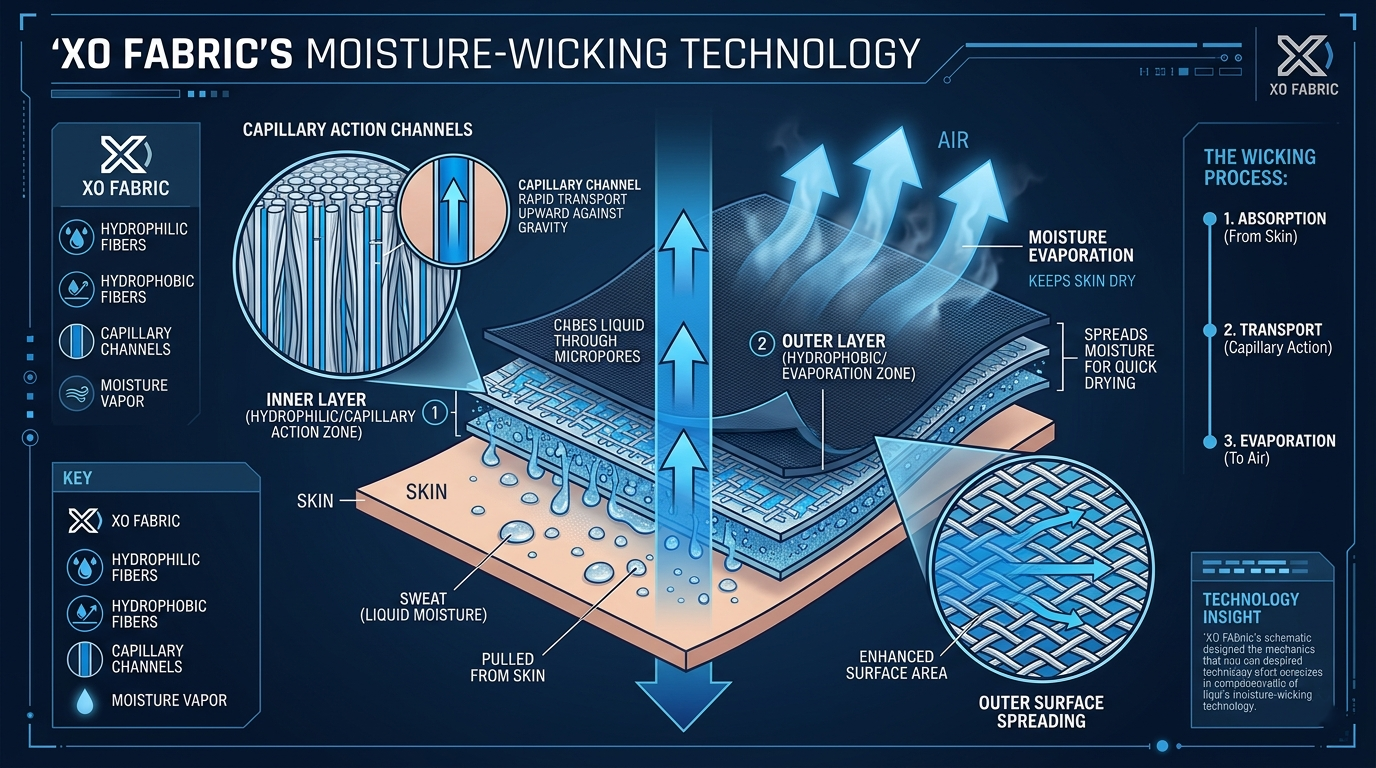
Mesh isn’t just about looking sporty. It serves critical functional purposes in athletic apparel. Choosing the right mesh fabric for sportswear impacts breathability, moisture management, and durability.
This guide covers main mesh types, their properties, best applications, and how to source quality mesh from trusted suppliers. Let’s dive in.
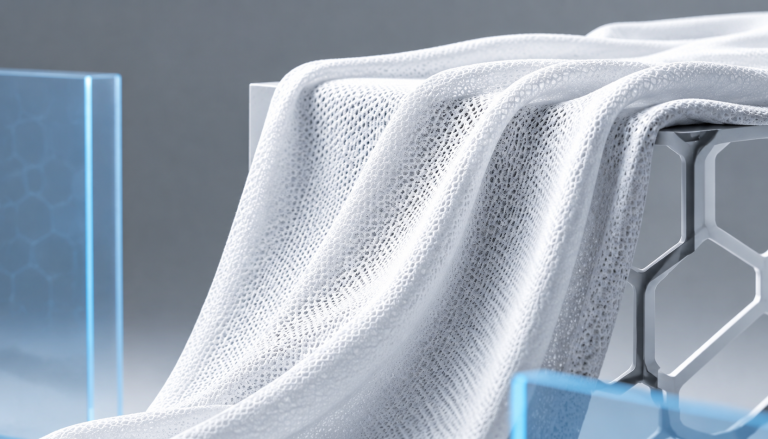
Mesh is fabric with open holes (pores) that allow air circulation. Most sports mesh is knitted for stretch and comfort, not woven.
Hole size and pattern vary widely. This affects both breathability and aesthetics. Don’t confuse mesh with “net” — nets usually have larger holes and coarser construction.
Manufacturing matters. Warp or weft knitting creates deliberate hole formation. Patterns include hexagonal, diamond, bird eye, honeycomb, or jacquard. The mill I work with handles in-house knitting for consistent quality control.
Key properties make mesh essential for performance wear:
If you’re exploring options, the Mesh and Net Knit Fabrics collection offers a solid starting point. For versatile athletic apparel, the Sports Mesh Fabric (General) is a reliable workhorse.
One quick note: I’ve seen designers overlook hole pattern when selecting mesh. A tighter diamond weave might look similar to bird eye from afar, but performs very differently under sweat and stretch. Always request swatches.
Sports mesh is the general-purpose mesh for athletic apparel. It’s usually 100% polyester for durability and moisture-wicking.
Hole size is medium — balancing breathability with opacity. You won’t see through it during a squat, but air still flows freely.
Best applications include everyday athletic wear:
Advantages? Cost-effectiveness, good breathability, and easy care. Machine wash cold, tumble dry low. Limitations: it’s less technical than bird eye or honeycomb mesh. Moisture wicking may not be as aggressive.
Typical specs: GSM ranges 120-180, width 150-180cm. MOQ often starts at 500m, though some suppliers offer 400m for mesh categories.
Here’s a micro-note from a recent project: I once used general sports mesh for a yoga line. It worked great for flow sessions, but clients reported slight pilling after 20+ washes. Switching to a tighter knit with anti-pilling finish solved it. Small detail, big impact.
When sewing sports mesh, use a ballpoint needle (size 75/11 or 80/12). Stretch stitches or narrow zigzag prevent popped seams. Avoid high-heat pressing — polyester can glaze.
Bird eye mesh gets its name from the small, repeating geometric pattern resembling a bird’s eye. It feels more structured than general sports mesh.
Fiber content varies. Cotton blends offer softness for next-to-skin comfort. Polyester blends prioritize durability and moisture-wicking. Some options include spandex for added stretch.
Best applications leverage its balanced properties:
Advantages include better moisture management than general mesh, a more polished aesthetic, and softer hand feel (especially in cotton blends). Limitations: slightly higher cost, and less inherent stretch unless spandex is added.
For designers seeking that softness, the Classic Bird Eye Mesh (Cotton Blend) delivers superior comfort for close-to-skin applications.
Let me share a decision process that took weeks. A client wanted a premium training tee with bird eye mesh. Initial prototype used 100% polyester bird eye. It performed great in moisture tests, but focus groups said it felt “plasticky” against skin.
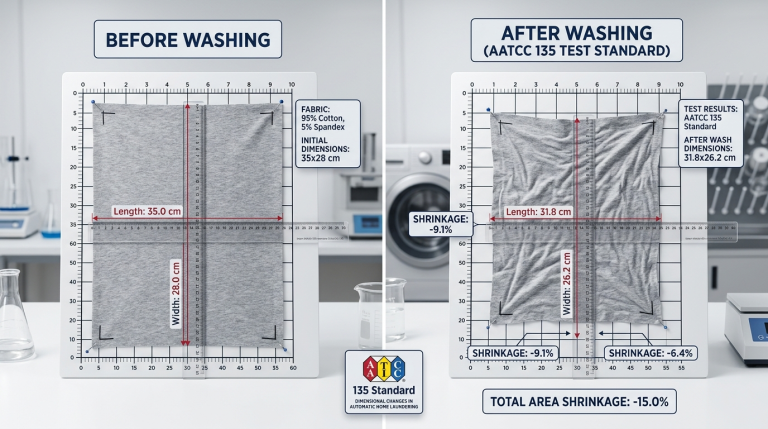
We switched to a 90/10 cotton-poly blend. Hand feel improved dramatically. But then shrinkage appeared after washing — about 3-4% lengthwise. Solution? Pre-wash the fabric before cutting, and adjust pattern allowances. We also recommended cold wash care labels.
The compromise: slightly higher cost and an extra production step, but customer satisfaction scores jumped. Sometimes the “right” fabric isn’t obvious until you test, fail, and iterate.
Sewing tip: Bird eye mesh can be tricky at seams. Use a walking foot if your machine has one. Stitch length around 2.5-3mm prevents puckering. For cotton blends, pre-shrink fabric to avoid post-production surprises.
Honeycomb mesh features a hexagonal, honeycomb-like pattern. It offers excellent stretch and recovery, making it ideal for compression garments.
Power net is a high-stretch mesh containing spandex or elastane. It delivers strong recovery, essential for shapewear, compression gear, and activewear that must hold its shape.
Best applications focus on performance and support:
Sourcing considerations center on spandex content. Higher percentages mean more stretch and recovery, but also higher cost and specific care needs. The supplier I partner with offers custom spandex ratios to match performance requirements.
For compression applications, the Honeycomb Elastic Net provides reliable stretch and recovery.
Technical note: When working with power net, seam slippage can occur if stitch density is too low. I recommend a narrow zigzag (width 1.5mm, length 2.5mm) with polyester thread. Test seam strength on scrap fabric first.
Care instructions matter. Avoid high heat when drying spandex-containing mesh. It degrades elasticity over time. Hang dry or tumble dry low is safest.
Choosing mesh isn’t one-size-fits-all. Let’s break down decision factors with real-world trade-offs.
First, consider activity level and sweat rate:
| Activity Level | Recommended Mesh | Why |
| Low sweat (yoga, pilates) | General sports mesh or cotton-blend bird eye | Softness and moderate breathability suffice |
| Medium sweat (gym training, running) | Polyester bird eye or honeycomb mesh | Better moisture management without over-engineering |
| High sweat (intense cardio, outdoor sports) | Honeycomb or power net | Maximum moisture transport and stretch recovery |
Garment type and fit matter equally. Loose-fit tees work with general sports mesh. Structured polo shirts benefit from bird eye’s defined pattern. Compression leggings demand honeycomb or power net for support.
Example: A loose workout t-shirt versus compression running tights. The tee prioritizes airflow and comfort. The tights need four-way stretch and muscle support. Different meshes, different jobs.
Budget considerations can’t be ignored. General sports mesh is most cost-effective. Bird eye sits mid-range. Honeycomb and power net cost more due to spandex content and complex knitting.
Here’s where integrated production helps. When knitting, dyeing, and finishing happen under one roof, cost control improves across all mesh types. No outsourcing variability means fewer surprises.
Durability and care vary by fiber. Polyester mesh offers excellent durability and easy care. Cotton blend mesh feels softer but may shrink — gentle washing helps. Spandex-containing mesh requires avoiding high heat to preserve elasticity.
Quality assurance matters. Reputable suppliers conduct wash fastness and elasticity testing. Ask for test reports if performance claims are critical for your line.
Not sure which mesh fits your project? You can Request Samples to feel and test fabrics before committing.
One personal preference: I lean toward bird eye mesh for versatile training wear. It strikes a balance I rarely find elsewhere. But for high-intensity lines, I’ll always specify honeycomb. Context is everything.
Integrated production offers tangible advantages. When knitting, dyeing, and finishing happen in-house, lead times shorten to 10-20 business days. Quality control stays consistent without outsourcing variability. Eliminating middlemen often means cost savings passed to you.
The mesh collection covers key categories:
Customization capabilities address specific design needs. Adjust GSM and width. Modify hole size and pattern via jacquard knitting. Match colors with lab dip service and Pantone matching. Low MOQ of 400m for mesh fabrics supports smaller runs.
Quality assurance includes 50+ technicians for in-process inspection and a 2,000㎡ finished goods warehouse for quick delivery. Test reports for color fastness, stretch recovery, and more are available upon request.
Ready to discuss your mesh fabric needs? You can Contact Us to start the conversation and request physical samples.
I’ve worked with many mills. What stands out here is responsiveness. When a last-minute color adjustment came up for a client launch, the team turned around lab dips in 48 hours. That agility matters in fast-moving sportswear cycles.
Mesh fabrics are essential for sportswear, offering breathability, moisture management, and lightweight comfort. General sports mesh works for everyday athletic apparel. Bird eye mesh adds structure and better moisture management. Honeycomb and power net deliver compression and high-performance stretch.
At XO Fabric, we specialize in high-quality mesh fabrics for sportswear brands worldwide. With integrated production and customization capabilities, we help you choose the right mesh for your garment.
Contact us today to request mesh fabric samples and discover how our mesh collection can elevate your next sportswear line. You can Contact XO Fabric to discuss your project requirements.
Selecting mesh fabric isn’t just about ticking a spec box. It’s about understanding how air moves through a garment, how sweat travels away from skin, and how a fabric recovers after a thousand stretches.
I still keep swatches of failed experiments on my desk. A honeycomb mesh that pilled under abrasion. A bird eye blend that shrank unexpectedly. Each taught me something a spec sheet couldn’t.
Your sportswear deserves that same thoughtful iteration. Test, adjust, and trust your designer instincts. The right mesh doesn’t just perform — it disappears into the experience, letting the athlete focus on movement, not material.