Address
Nanlang Industrial Zone, Xingtan Town, Shunde District, Foshan, Guangdong, China
Work Hours
Mon–Fri, 9:00 AM – 6:00 PM (CST/UTC+8). We aim to respond to all inquiries within 48 hours.

Address
Nanlang Industrial Zone, Xingtan Town, Shunde District, Foshan, Guangdong, China
Work Hours
Mon–Fri, 9:00 AM – 6:00 PM (CST/UTC+8). We aim to respond to all inquiries within 48 hours.
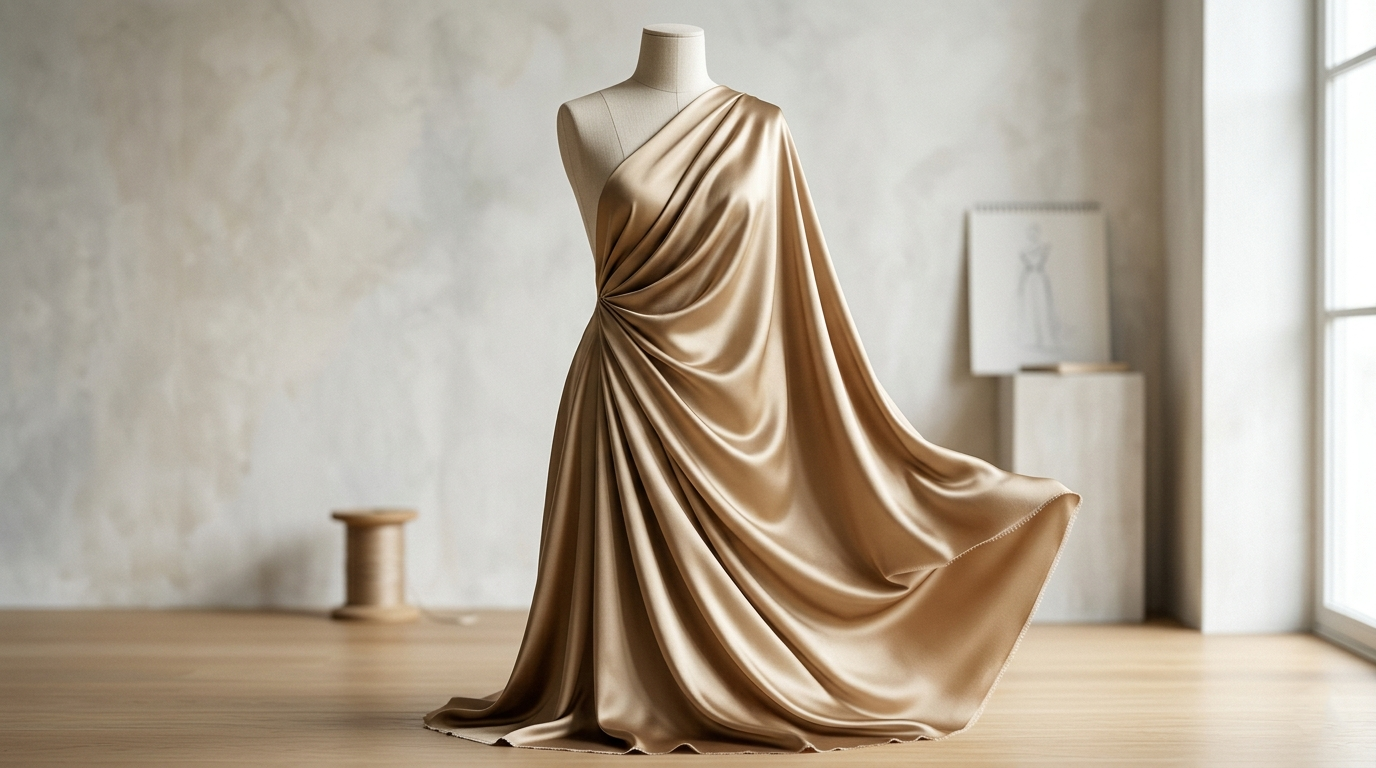
When you spot a garment that makes you stop scrolling, you’re often reacting to drape before you even notice the color or the stitch work.
It’s that invisible quality where fabric moves like water versus holding shape like armor. Most designers obsess over fiber content and GSM early on, which is smart, but they frequently leave drape to chance until the first fitting.
That’s when the reality check hits: a beautiful flat pattern can look disastrous if the fabric fights gravity, or conversely, it can slump where you needed structure. Drape isn’t just an aesthetic perk; it dictates how a piece lives on a real body, not a flat screen.
Drape is fundamentally about how fabric deforms under its own weight. It’s the ability to fold, flow, and hang gracefully when gravity takes over. This is distinct from “hand,” which is purely tactile.
You can run your fingers over a stiff canvas and feel softness from a brushed finish, but that fabric will still stand away from the body. Drape is what your eyes see and how the garment behaves in motion.
In the lab, we look at bending length. This is the measurement of how far a fabric strip extends horizontally before it bends. A short bending length means the fabric folds easily, creating a fluid, close-to-body silhouette. A long bending length indicates stiffness, resulting in sharp angles and volume.
Flexural rigidity plays a massive role here. This is the resistance to bending. High rigidity gives you structure; low rigidity gives you flow. But it’s not just about bending. Shear rigidity determines how much the fabric resists distortion when forces pull diagonally. Recovery is equally critical—does the fabric spring back after you bunch it, or does it stay wrinkled?
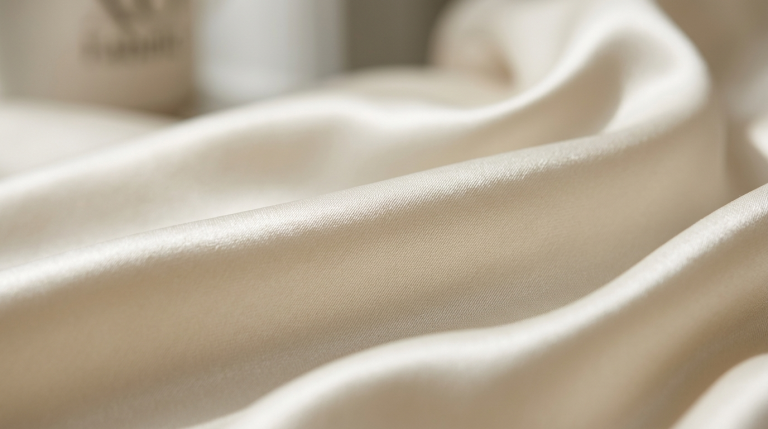
A common misconception is that weight equals drape. It doesn’t. A heavy silk charmeuse can drape more fluidly than a lightweight, high-twist cotton poplin. The fiber smoothness and yarn construction often override the GSM.
Fabric construction also dictates how these forces play out. If you’re debating between a knit and a woven for a specific flow, checking out Knit vs. Woven Fabrics can clarify how the loop structure versus the interlaced threads changes bending behavior.
| Property | Focus | Impact on Drape |
| Hand | Tactile feel | Soft hand doesn’t guarantee flow; stiff hand often correlates with poor drape. |
| Weight | GSM/oz | Heavier doesn’t always mean stiffer; depends on fiber and weave. |
| Stretch | Elasticity | Recovery stretch improves drape by helping fabric return to shape. |
Case Study: The Wrap Dress Dilemma
A client approached us for a premium wrap dress intended for the resort season. The design called for fluid movement at the skirt but enough body to maintain the waist definition without clinging excessively to the hips. We started with a 22-momme silk habotai.
In the hand, it felt luxurious, and the bending length was excellent. However, during the draping test on the form, the fabric was so light it clung to every contour, making the waist definition vanish and creating stress lines at the bust. We moved to a viscose-rayon blend with a satin weave, weighing in at 160 GSM. This had better weight distribution.
But when we swished the fabric, the recovery was poor; it bagged slightly after a few minutes of wear. The compromise? We found a 180 GSM silk-lycra blend in a twill construction. The lycra added recovery, the silk gave the visual flow, and the twill provided just enough shear rigidity to hold the waist shape. It wasn’t the cheapest option, and it required a different seam finish to prevent slippage, but it solved the structural issues while keeping the elegance.
Fabric weight is the first metric most designers check, and for good reason. GSM (grams per square meter) directly influences how a fabric interacts with gravity. Generally, lightweight fabrics under 150 GSM tend to be more fluid and drape closely to the body.
Medium weights between 150 and 300 GSM offer versatility with moderate drape. Heavyweights over 300 GSM usually provide structure and resist draping. However, weight is just one variable. A heavy silk can drape better than a light cotton due to fiber smoothness.
The construction plays a huge role. Woven fabrics rely on the interlacing of warp and weft threads. A plain weave creates more friction and stability, leading to a crisper drape. A satin weave allows floats to slide past each other, enhancing fluidity.
When sourcing knits, the base construction sets the foundation for how your garment will fall. You can explore our range of Knit Base Fabrics to see how different structures handle drape across various weights.
Fiber content dictates the surface friction and inherent flexibility. Natural fibers like silk and viscose have smooth surfaces that reduce friction, allowing layers to slide and creating fluid folds. Cotton offers a softer, more matte drape, while linen has a crisp, structured fall due to its high tensile strength and stiffness.
Finishes can drastically alter drape. Softening agents increase fluidity by lubricating the fibers. Mercerization adds luster to cotton but can introduce slight stiffness if overdone. Conversely, coatings or laminations will significantly reduce drape by adding rigidity to the fabric surface.
| Yarn Feature | Effect on Drape |
| High Twist | Crisper fold lines, more structure. |
| Low Twist | Softer folds, fluid movement. |
| Filament | Smooth surface, excellent flow. |
| Multi-ply | Added stability, reduces limpness. |
Yarn structure matters too. High twist yarns create a crisper drape because the tension makes the yarn stiffer. Low twist yarns feel softer and drape more fluidly. Filament yarns, made from continuous fibers, drape better than staple yarns, which have more surface fuzz and friction. I keep a “drape rack” in the studio where I hang swatches by GSM and structure; it’s shocking how much a 20 GSM difference can change the fold line on a sleeve.
Testing drape accurately requires moving beyond visual inspection. The industry standard is the ASTM D1388 test, which calculates the drape coefficient. This method suspends a circular fabric sample over a smaller circular disc.
The ratio of the draped area to the original area gives you a number between 0 and 1. A coefficient of 0 means the fabric is perfectly limp and forms a cone. A value of 1 means it’s completely rigid. For most design studios, you don’t have a drape meter. The hanger test is a practical alternative.
Cut a minimum 12×12 inch sample and hang it over a dowel or hanger. Observe the fold formation. Does it cling? Does it float? Rate it on a scale from 1 (stiff) to 5 (fluid). Compare samples side-by-side under consistent lighting. The body simulation test is non-negotiable for draped garments.
Drape the fabric over a dress form or fit model. Check how it falls over curves, armholes, and necklines. Look for pulling, gaping, or flatness. Move the form slightly to simulate walking. Does the fabric recover, or does it hold the distortion?
To ensure you’re evaluating all critical properties, including drape, refer to our Fabric Specifications Buyer’s Guide for a checklist of metrics to request from suppliers.
The “Flat Form” Trap
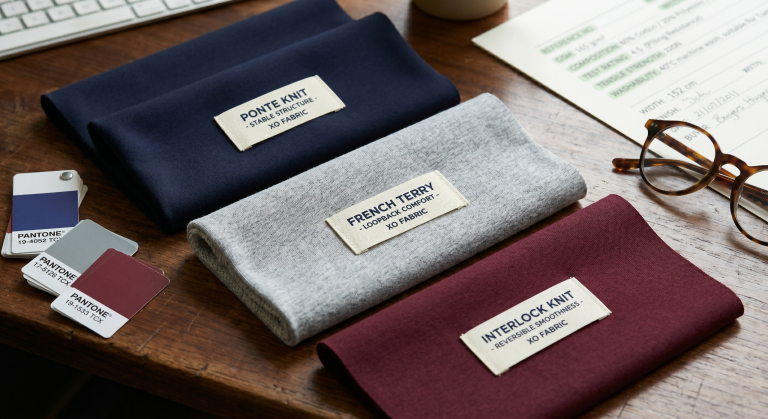
I recall a project where we approved a ponte knit based solely on the hanger test. The fabric hung beautifully, showing that thick, luxurious fall we wanted for a blazer. The drape coefficient was perfect. We cut and sewed the sample. It looked amazing on the dress form.
Then we put it on a fit model. The moment she moved, the fabric pulled at the underarm seams and created horizontal tension lines across the back. The issue? The ponte had low shear recovery. On the hanger, gravity just pulled it down. On a body, the arm movement skewed the fabric, and it didn’t spring back.
We had to switch to a ponte with added elastane and a higher recovery rating. It’s a painful reminder: never trust a static test for a dynamic garment. Always request physical samples before bulk ordering. Test drape in the intended direction; lengthwise and crosswise drapes can differ significantly in woven fabrics.
| Drape Issue | Potential Cause | Solution |
| Fabric clings too much | Weight too light or finish too smooth | Add lining or choose higher GSM. |
| Fabric stands away from body | High bending length or coating | Select satin weave or soften finish. |
| Poor recovery after movement | Low elasticity or shear rigidity | Add elastane or change construction. |
| Unwanted wrinkles in folds | Low twist or weak fiber | Choose higher twist yarn or stiffer fiber. |
Account for shrinkage, as pre-washed fabrics may drape differently than untreated ones. Climate matters too; humidity can soften natural fibers and increase drape fluidity. Mock up first; a toile reveals drape issues before production costs mount.
Lightweight drapey fabrics like chiffon, georgette, and sheer knits offer excellent fluidity. They cling to the body and form soft folds. These are ideal for blouses, overlays, scarves, and formal gowns.
When working with these, bias cuts maximize flow. Lining is often necessary for opacity and comfort. Medium-weight fabrics provide versatility. Cotton jersey, modal blends, and rayon challis have balanced drape with moderate body.
They work well for t-shirts, casual dresses, and activewear. These fabrics are forgiving for beginners and handle most garment types without complex stabilization. Heavyweight fabrics prioritize structure over flow.
Denim, canvas, wool suiting, and ponte maintain shape and create volume. Use these for jackets, trousers, and structured outerwear. Seams can add bulk, so grading is important. Don’t expect fluid movement; these fabrics hold the silhouette you draft.
Specialty fabrics offer unique draping characteristics. Silk and knit satin provide lustrous drape for elegant wear. Matte jersey gives soft, body-skimming flow. Ribbed knits create dimensional drape with vertical interest.
At our mill, we develop warp knit satins specifically designed to offer that elegant, drapey quality without the instability of some woven silks. Flocked fabrics introduce textured drape with visual depth. Performance knits are engineered for specific activewear drape needs, balancing stretch and recovery.
Start with your design intent. Do you need fluid movement for an evening gown, or structured authority for a blazer? Fluid drape suits flowing dresses and romantic styles. Structured drape works for tailored pieces and formal wear.
Relaxed drape fits casual athleisure. Body-hugging drape requires fabrics with good recovery and moderate stiffness to avoid clinging awkwardly. Voluminous designs need fabrics that hold air without collapsing. Garment type dictates drape requirements.
Formal dresses often need satin or silk for elegance. Casual dresses thrive in jersey or cotton blends. Trousers require structured drape to hold a crease, while wrap skirts benefit from fluid drape. Activewear needs compression drape with high stretch recovery.
Body type considerations matter. Fluid drape flatters most silhouettes by skimming the body. Structured drape can create or minimize curves depending on the cut. Heavy drape can overwhelm smaller frames. Light drape may reveal every contour, so consider lining for modesty.
| Body Consideration | Drape Strategy |
| Small Frame | Avoid overly heavy drape; choose medium weight to prevent overwhelming. |
| Curvy Silhouette | Fluid drape skims nicely; structured drape defines curves. |
| Height | Long, fluid drape elongates; heavy drape can shorten the line. |
| Contour Visibility | Light drape shows all; add lining or use textured fabric to diffuse. |
Match the drape to your target customer’s comfort and confidence. Seasonal factors influence fabric choice. Summer calls for breathable fabrics that often drape lightly, like cottons and linens. Winter favors heavier fabrics with more body, such as wools and dense knits.
The Summer Suit Compromise
A streetwear brand wanted a “lightweight suit” that held a sharp structure but breathed in humidity. The challenge is classic: structure usually requires weight or coating, which kills breathability. We tested a 280 GSM wool blend. It had perfect structure but failed the breathability test; it trapped heat and felt heavy.
Next, we tried a 180 GSM tropical wool. Breathable, but the drape was too fluid. The jacket bagged at the elbows and lacked the crisp shoulder line the designer demanded. The trade-off was brutal. We couldn’t get both extremes in one fabric.
The solution involved a two-part approach. We selected a 200 GSM wool-nylon blend with a slight resin finish for recovery. This gave enough body to hold the shape without the heat trap. However, the drape wasn’t perfect. The compromise was in the construction: we added fused interlining to key stress points like the chest and lapels to reinforce structure, allowing the base fabric to remain lighter.
The designer had to adjust the pattern to reduce bulk at the seams. It wasn’t the original vision, but the final garment delivered the structured look with wearable comfort. Layering requires thinking about how outer fabrics interact with inner layers; a stiff outer over a fluid inner can restrict movement.
With over twenty years in knit fabric manufacturing, our team understands how construction nuances affect drape in real-world applications. We don’t just sell meters of fabric; we provide technical consultation to match your design vision with the right material behavior.
You can send your design concept, and we’ll recommend fabrics based on drape requirements, not just aesthetics. We offer a wide spectrum of drape options. From fluid lightweight jerseys to stable ponte double knits, we cover the full range.
Our warp knit satins provide elegant flow for formal wear, while our flocked fabrics deliver unique textural drape. Performance knits are engineered for specific activewear demands. If you need custom development for a specific drape profile, we can work with you to adjust GSM, yarn twist, or finishes.
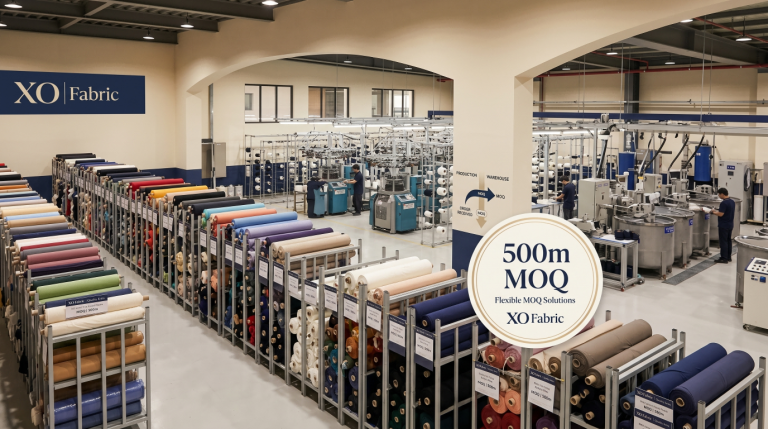
Practical support starts with samples. We provide physical swatches so you can test drape in your studio before committing to bulk orders. Low MOQs make sampling accessible. We also offer lab dips with drape-consistent finishing and detailed technical specs.
For time-sensitive projects, rush production is available, and we handle global shipping directly to your facility. When working with the supplier, always ask for a test strip to verify drape consistency across the bolt, especially for knit structures prone to variation. You can reach out to Contact XO Fabric to discuss your specific drape needs and arrange samples.
Fabric drape is a critical property that determines how a garment performs on the body. It affects the silhouette, movement, and emotional response of the design. Understanding drape allows you to make informed decisions that bridge the gap between a flat pattern and a living garment.
Integrate drape evaluation early in your design process. Request physical samples and test them against your vision. Use the hanger test, body simulation, and swish checks to verify behavior. Match the drape quality to the garment type, body considerations, and intended use. Testing prevents costly mistakes during production.
At XO Fabric, we support designers in selecting fabrics with the perfect drape for their collections. Our technical team can guide you through our range and provide samples for your evaluation. We focus on helping you achieve your design intent through material science and practical experience.
Drape is the language fabric speaks when worn. It’s easy to get lost in colors and trends, but the way a material falls tells the story of quality and fit. Take the time to listen to that language, and your garments will reward you with elegance and wearability.