Address
Nanlang Industrial Zone, Xingtan Town, Shunde District, Foshan, Guangdong, China
Work Hours
Mon–Fri, 9:00 AM – 6:00 PM (CST/UTC+8). We aim to respond to all inquiries within 48 hours.

Address
Nanlang Industrial Zone, Xingtan Town, Shunde District, Foshan, Guangdong, China
Work Hours
Mon–Fri, 9:00 AM – 6:00 PM (CST/UTC+8). We aim to respond to all inquiries within 48 hours.
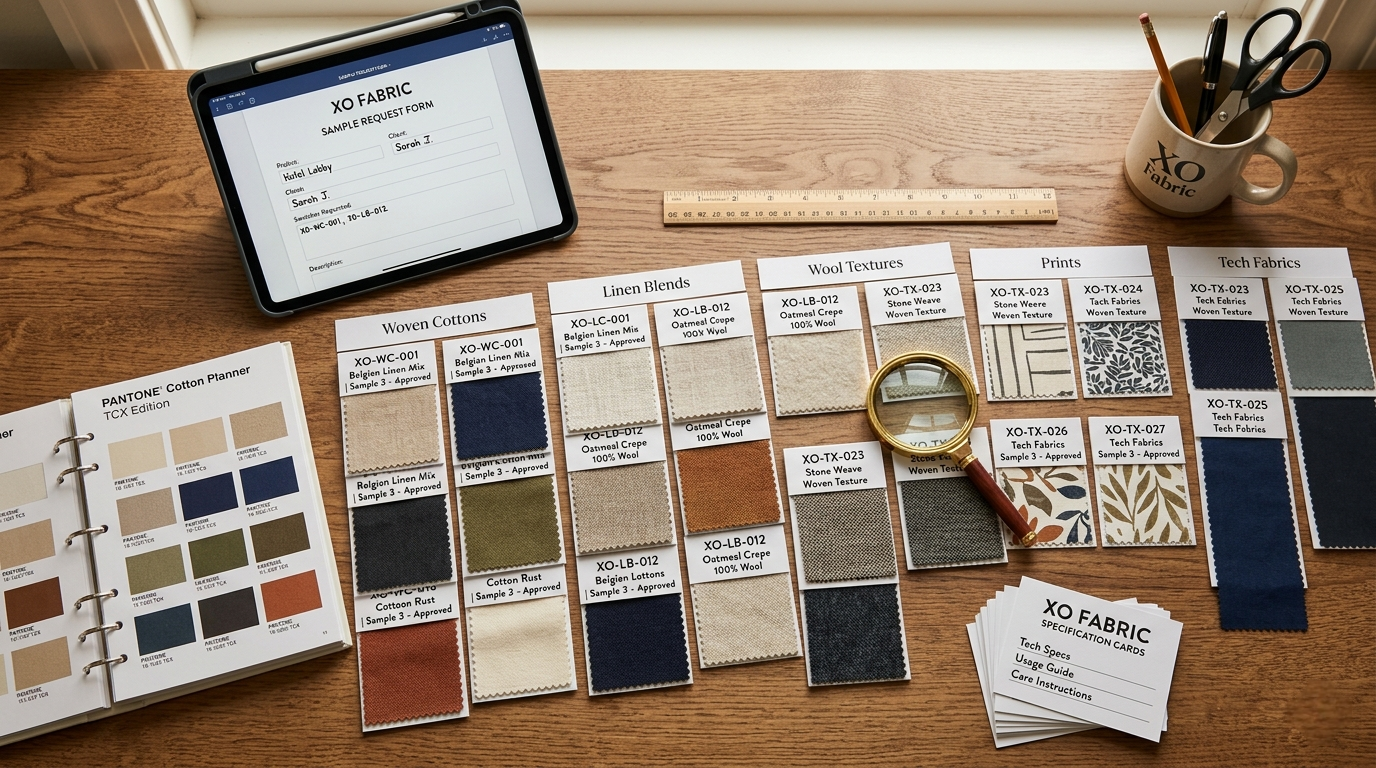
Requesting fabric samples seems simple — but doing it right can save you thousands of dollars and weeks of delays.
Many new apparel brands skimp on sampling, only to discover quality issues after receiving bulk fabric. I’ve seen it happen: a brand orders 2,000 meters based on a phone photo, and the bulk arrives with a completely different hand feel.
The color is off. The weight is wrong. And suddenly, you’re looking at a $5,000 loss.
Sampling is your only chance to verify fabric quality, color accuracy, and supplier reliability before committing to a bulk order. It’s not just about checking a box; it’s about risk mitigation.
This guide walks you through the sampling process — from what to request, to how to evaluate samples, to the right questions to ask your supplier. Think of it as your pre-flight checklist before takeoff. Let’s dive in.
Fabric photos online can be misleading. Lighting, color calibration, and the simple fact that you can’t feel hand feel through a screen — these all create gaps between expectation and reality.
Color variation between dye lots is another hidden trap. A lab dip might look perfect under studio lights, but bulk production can shift.
I once approved a navy that looked rich in the sample; the bulk arrived with a slight purple undertone. Under fluorescent retail lighting, it was obvious.
Then there’s quality consistency: fabric weight, hand feel, finishing. A 180 GSM target might come in at 165 or 195 if the mill isn’t tightly controlled.
Sampling isn’t a box to check. It’s insurance.
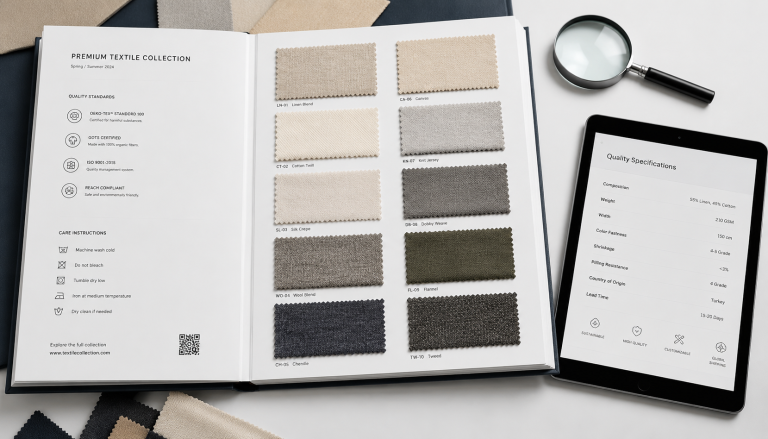
At XO Fabric, we keep sampling low-risk. Sample MOQs are usually 1-5 meters. A sample fee may apply, but it’s deductible from your first bulk order.
Most samples ship in 7-10 days, with express options via DHL or FedEx. Ready to move forward? Request Samples with your fabric specifications, and our team will guide you through the next steps.
Start with the essentials. Your request should specify fabric type (knit, woven, fleece, velvet), fiber content (100% cotton, 65/35 cotton-poly), and target weight in GSM.
Don’t just say “medium weight” — give a number, like 180 GSM ±10%. Include fabric width (150cm, 160cm, 180cm) and color requirements.
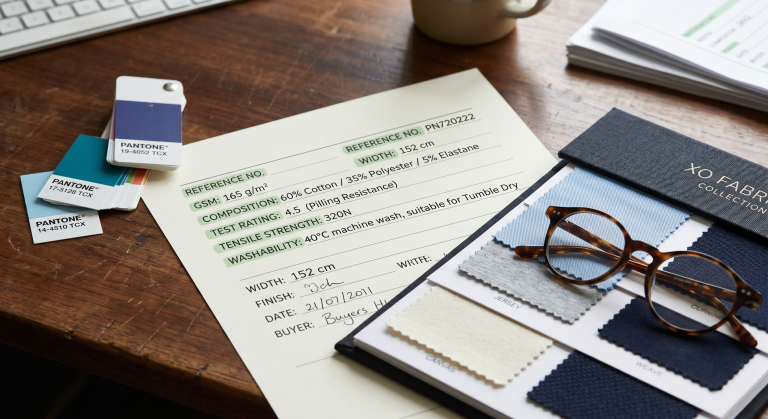
Use a Pantone code if you have one; if not, a physical swatch or detailed description works. “Navy blue” is too vague; “Pantone 19-4028 TCX” is actionable.
Optional details help the supplier narrow options. What garment are you making? A structured blazer needs different stability than a flowy dress.
Required certifications like Oeko-Tex or GRS? Special finishes like anti-pilling or moisture-wicking? Sharing your target price range isn’t mandatory, but it helps the supplier recommend cost-effective options that fit your budget.
No one wants to fall in love with a fabric that’s 3x their target cost.
Reference materials are gold. Attach photos or mail a physical sample of your “target fabric.” Specify which properties matter most: hand feel, drape, luster, stretch recovery.
The mill can work from photos, physical samples, or detailed specs — the more context, the better the match.
For sample quantity, request 1-5 meters. One meter is barely enough for visual inspection; three to five meters lets you cut garment panels, run lab tests, and wash for shrinkage.
For color matching, start with a lab dip (small swatch) before committing to full sample yardage.
Once you receive samples, learning to How to Read Fabric Lab Report will help you interpret test results and make informed decisions.
Visual inspection comes first. Check color accuracy against your Pantone or reference sample in natural light — not under store fluorescents.
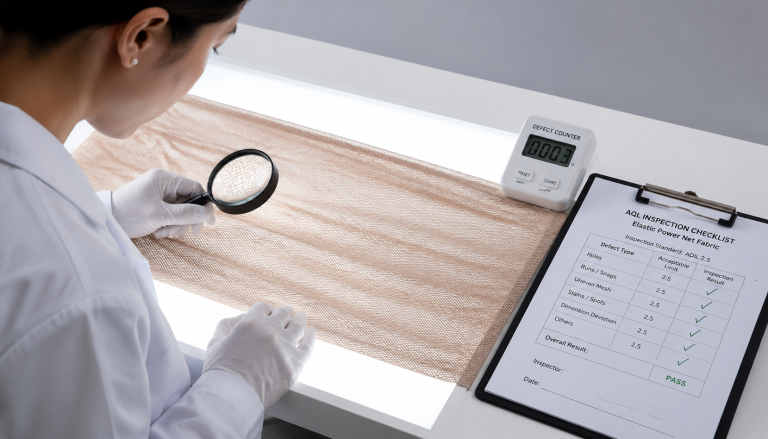
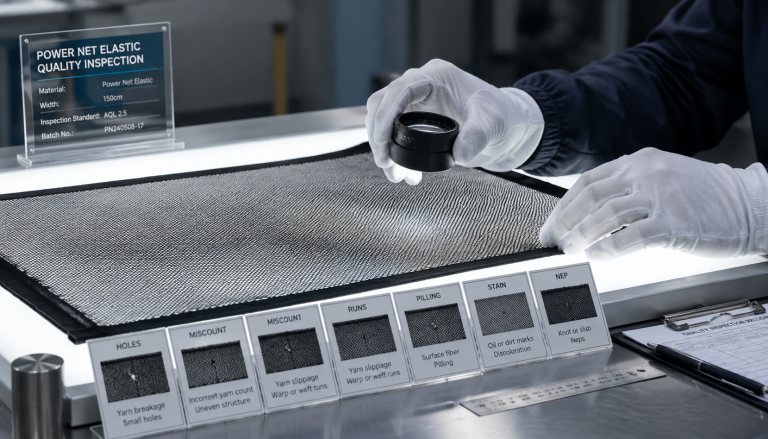
Look for surface defects: stains, oil spots, uneven dyeing. Edge curl can indicate tension issues in knitting; a little curl is normal, but excessive curl may cause cutting problems later.
Hand feel evaluation is subjective but critical. Rub the fabric between your fingers for softness. Hold it up and let it drape naturally — does it flow or stiffen?
Pull gently and release: good stretch recovery means the fabric springs back, not stays stretched. Here’s a tip I learned the hard way: wash your sample before evaluating hand feel.
Some finishes wash off, and you want to know how the fabric will feel after the first customer wash.
Physical testing adds objectivity. Cut a 1m² piece, weigh it, and calculate actual GSM. For shrinkage, wash at 40°C, measure before and after.
Cotton can shrink 3-5% in weft, 5-8% in warp — know your tolerance. Rub with a white cloth dampened with water to check color fastness.
For pilling, rub the fabric against itself vigorously for 30 seconds; if pills form quickly, it may not hold up in wear.
Documentation is your safety net. Photograph samples front, back, and close-up of texture. Record test results in a simple spreadsheet. If the mill provides test reports, file them with your sample notes.
I learned this one the messy way. A client sent me a jersey sample that looked perfect: soft drape, rich color, great recovery. We approved it for bulk.
Two weeks later, the production fabric arrived. Same GSM on paper. Same fiber content. But after washing, it shrank 12% in the weft. The hand feel turned stiff. What happened?
We dug in. The sample had been finished with a temporary softener that washed out. The bulk used a different finishing process to hit cost targets. The mill hadn’t disclosed the change because “the specs matched.”
Our fix? We now require pre-wash evaluation for all knits. We also ask for finishing details upfront: what chemicals, what processes, what’s temporary vs. permanent. It added two days to sampling but saved a $12,000 bulk order.
For a comprehensive quality control checklist, read our dedicated guide on Quality Control Checklist to ensure nothing slips through.
Mistake #1: Requesting too little yardage. One meter is barely enough for visual inspection; it’s not enough for garment sampling or lab testing.
Solution: Request 3-5 meters. That gives you room to cut panels, run shrinkage tests, and keep a reference swatch.
Mistake #2: Only evaluating visual appearance. A fabric may look perfect but fail performance tests. I approved a beautiful jersey once; after washing, it shrank 12% and lost its recovery.
Always wash and test samples before approving for bulk. Visuals are just the start.
Mistake #3: Not keeping sample records. Without documented standards, you can’t reference approved specs during bulk inspection.
Photograph, test, and document everything. Create a simple spreadsheet: GSM, shrinkage %, color fastness rating, hand feel notes. Future-you will thank present-you.
Mistake #4: Skipping lab dip approval. Bulk dyeing may not match sample dyeing due to different dye lots. Always approve a lab dip (small color swatch) before bulk production.
It’s a small step that prevents costly color mismatches.
Have questions about sampling? Contact our team for guidance on navigating these common pitfalls.
Low-risk sampling matters. Sample fees that deduct from first bulk orders reduce upfront cost. Low MOQs for sampling (1-5 meters) let you test without overcommitting.
Fast turnaround — 7-10 days for most samples — keeps your timeline on track.
Technical support makes a difference. Access to technicians for sample evaluation and consultation helps you interpret results. Lab dip services ensure color matching accuracy.
Custom development options let you tweak constructions or finishes to hit your exact target.
Integrated production offers a hidden advantage. When sampling and bulk production happen in the same facility, quality stays consistent.
No outsourcing surprises, no handoff delays. After sample approval, bulk lead times of 10-20 days keep your schedule moving.
Global shipping options — DHL, FedEx, UPS — get samples to you fast. Trade Assurance programs add payment protection.
And a track record of shipping to 200+ clients worldwide suggests reliability you can trust.
When you’re ready to move from evaluation to production, Request Samples to discuss your project with a technical team that understands apparel sourcing.
Requesting and evaluating fabric samples is a critical step in apparel sourcing. Don’t skip it — the cost of sampling is tiny compared to the cost of a bulk order gone wrong.
At the mill we work with, sampling is designed to be easy and low-risk. With fast turnaround, technical support, and integrated production, they’re a trusted partner from sample to bulk.
Contact us today to request fabric samples and start your next apparel project with confidence. Contact our team to discuss your requirements and get started.