Address
Nanlang Industrial Zone, Xingtan Town, Shunde District, Foshan, Guangdong, China
Work Hours
Mon–Fri, 9:00 AM – 6:00 PM (CST/UTC+8). We aim to respond to all inquiries within 48 hours.

Address
Nanlang Industrial Zone, Xingtan Town, Shunde District, Foshan, Guangdong, China
Work Hours
Mon–Fri, 9:00 AM – 6:00 PM (CST/UTC+8). We aim to respond to all inquiries within 48 hours.
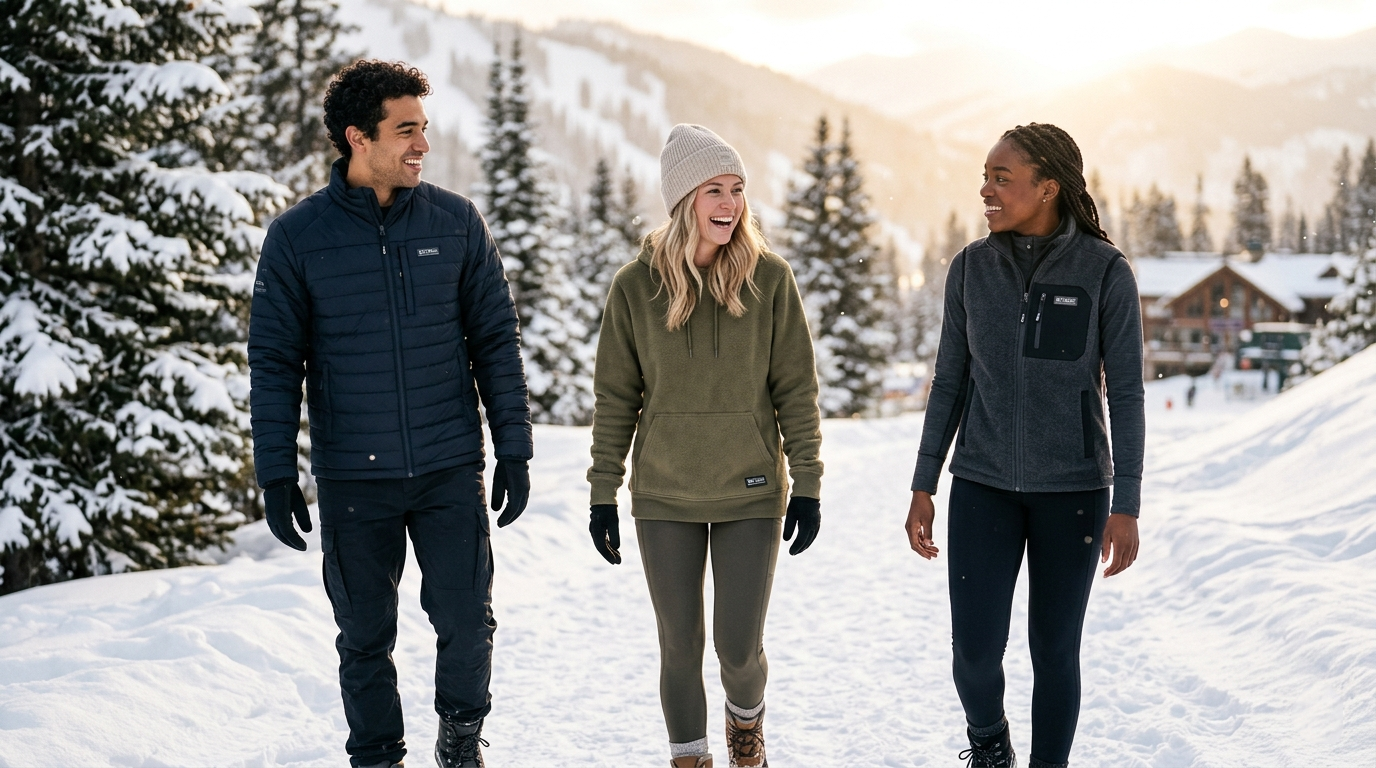
As temperatures drop, apparel brands face a critical challenge: how to keep customers warm without sacrificing comfort, style, or mobility. The solution lies in choosing the right thermal fabrics.
Not all winter textiles are created equal. A thick cotton sweater might feel cozy on the rack, but offers minimal insulation once it catches a light rain. For makers, selecting the wrong thermal material can quickly lead to returns and quiet dissatisfaction.
In this guide, we will explore how thermal fabrics actually work, the different technologies available, and help you navigate synthetic versus natural options for your winter line.
Heat retention is less about generating warmth and more about managing what your body already produces. When a person steps outside, heat escapes through three primary pathways. Conduction happens when body heat transfers directly to cold fibers touching the skin.
Convection occurs when air circulates through the fabric structure, carrying that warmth away. Radiation accounts for infrared heat loss that escapes outward. Good thermal construction interrupts all three mechanisms simultaneously.
The mechanics rely heavily on loft. When fibers are raised or brushed, they create microscopic air pockets. Still air is an excellent insulator. That is why puffy jackets and high-pile knits perform well in harsh conditions.
Some modern textiles integrate aluminum dots or ceramic particles to reflect infrared radiation back toward the wearer. It sounds futuristic, but the principle is straightforward physics. The fabric acts as a thermal mirror.
Performance metrics matter more than marketing claims. You will often see R-value or Clo value cited in technical sheets. Clo measures thermal resistance directly. One Clo equals the insulation required to maintain comfort at twenty-one degrees Celsius.
Breathability must balance that resistance. If a fabric traps moisture vapor, condensation builds up inside the garment. Wet insulation loses roughly ninety percent of its warming capability. Proper vapor transmission keeps the microclimate stable.
| Lightweight Thermal | 0.5 to 0.8 Clo | Base layers, active wear |
| Midweight Thermal | 1.0 to 1.5 Clo | Mid-layers, casual winter |
| Heavyweight Thermal | 1.8 to 2.5 Clo | Outerwear, extreme cold |
Manufacturers weigh these factors against GSM. Grams per square meter dictate fabric weight, which directly influences drape and thermal output. Backing and bonding processes lock the loft in place during wear and washing.
Layering systems shift the focus across different garment zones. Base layers prioritize moisture transport away from the skin. Mid-layers handle active insulation during variable activity levels. Outer shells block wind and precipitation entirely.
If you are sourcing materials for a cold-weather drop, reviewing a comprehensive inventory saves development time. Thermal Fabrics Collection showcases options engineered specifically for consistent heat retention across different garment types.
Testing protocols reveal how these fabrics behave under stress. ASTM D1518 standards measure thermal transmittance through controlled chamber setups. Real-world wear trials often tell a different story. Seam alignment affects wind penetration significantly.
Stitch density changes stretch recovery and moisture wicking. I always recommend running a quick tumble dry cycle on samples. Heat exposure exposes hidden finishing defects before you cut the first pattern. It saves hours of troubleshooting later.
Surface treatments dictate both hand feel and thermal efficiency. Brushed fleece relies on mechanical abrasion that raises fiber ends. The process creates immediate loft without adding heavy yarns. Single-sided brushing delivers next-to-skin softness.
Double-sided variations maximize air trapping for static outdoor use. Napping and shearing follow similar goals but diverge in execution. Heated rollers with fine wires lift the fibers during napping. Shearing then trims those raised ends to a uniform height.
The result is a dense, wind-resistant surface. Brushing leaves a longer, softer nap. Napping produces a tighter, smoother finish. Fiber composition determines which method yields the best warmth retention. Polyester responds well to aggressive brushing. Nylon handles shearing more cleanly.
Bonded constructions add structural stability to loose piles. Adhesive lamination fuses fleece to a jersey or tricot backing. TPU or PU membranes can be laminated between layers to block wind while allowing vapor transmission.
Multi-layer builds often pair a decorative outer face with a thermal core and moisture-wicking lining. The trade-off involves reduced drape. Bonded fabrics feel stiffer but hold their shape through repeated wash cycles. They resist seam slippage during construction.
Thermal performance often starts with the underlying structure. Knit Base Fabrics provide the foundation that supports brushing, napping, and bonding applications. Choosing the right base prevents distortion during finishing.
Phase-change materials represent a newer category in thermal engineering. Microcapsules embedded in the yarn absorb excess body heat during high activity. They release that stored energy when temperatures drop suddenly.
Reflective barriers function differently. Metallic coatings bounce infrared radiation away from the environment. Both technologies face integration challenges in knits. Heat and pressure during manufacturing can degrade delicate coatings if not carefully calibrated.
Traditional loft insulation usually wins for everyday apparel. Advanced tech fits niche performance gear where microclimate control matters. I have seen brands over-engineer base layers with PCM treatments. The added stiffness often ruined comfort during movement.
Stick to proven mechanical loft unless your product brief demands active temperature regulation. Simple air trapping remains reliable, washable, and cost-effective for most seasonal collections.
Fleece remains the workhorse of winter apparel. It is lightweight, inherently warm, and sheds moisture quickly. Most modern versions rely on polyester fibers, frequently sourced from recycled bottles. The signature fuzzy surface traps air efficiently.
Construction weight dictates application. Microfleece sits between one hundred and two hundred GSM. It works well for base layers or mild winter liners. Midweight options range from two hundred to three hundred GSM. They handle layering comfortably.
| Microfleece | 100-200 GSM | Next-to-skin, high breathability |
| Midweight | 200-300 GSM | Versatile mid-layer, moderate wind resistance |
| Heavyweight | 300+ GSM | Outerwear grade, maximum loft |
| Grid Fleece | Variable | Waffle structure, enhanced vapor flow |
Heavyweight constructions exceed three hundred GSM. These grade into outerwear territory. Grid fleece introduces a waffle-knit structure that enhances breathability. High-pile versions stretch fibers longer for maximum loft. Each variant serves a specific layering role.
Performance characteristics align closely with construction. Fleece dries fast because polyester repels liquid water. It still allows vapor to pass through the weave. Durability improves when mills control pilling through heat setting and anti-static finishes.
Wind penetration remains the primary weakness. A bare fleece jacket lets drafts slice through the gaps between fibers. Static buildup can also annoy customers in dry climates. Grounding treatments during dyeing reduce this issue significantly.
I once worked with a brand designing a trail running vest. They initially specified a lightweight microfleece for its soft hand feel. During prototype testing, runners complained about wind chill on exposed ridges. We switched to a midweight grid fleece bonded to a tricot base.
The compromise added slight weight but eliminated draft penetration. Pilling decreased significantly too. The final sample balanced breathability with reliable warmth. We had to adjust needle sizes from eleven to thirteen to accommodate the thicker bonded feed. Thread tension required fine-tuning to prevent puckering.
Texture variations open new design doors. Flocked on Tricot Jersey Base combines a stable foundation with a soft, warm surface that holds up well to repetitive motion. It bridges decorative appeal with functional insulation.
Natural fibers bring distinct advantages to cold weather gear. Wool wicks moisture while resisting odor buildup. Merino variants offer fine fibers that feel comfortable against sensitive skin. Down provides the highest warmth-to-weight ratio available.
Cotton fails spectacularly when damp. Silk delivers lightweight warmth but lacks durability for rugged use. Each material carries specific care requirements that influence customer retention. Natural fibers demand gentle washing and air drying.
Shrinkage control requires precise temperature management during finishing. Wool can contract up to eight percent if exposed to high heat. Setting agents help, but overprocessing makes the hand feel harsh. I prefer lower tension knitting for merino blends.
Synthetics dominate the performance market for practical reasons. Polyester fleece delivers consistent quality at accessible price points. Nylon adds abrasion resistance to face fabrics. Acrylic mimics wool hand feel while reducing costs.
Polypropylene absorbs almost no moisture, making it ideal for base layers. Recycled polyester maintains performance metrics while supporting sustainability narratives. Supply chain documentation should verify recycling content percentages. Greenwashing accusations damage brand trust quickly.
Thermal Fabrics Collection highlights synthetic options engineered for consistent warmth across different production scales. The mill maintains strict quality controls to ensure batch consistency.
The comparison comes down to intended use. Synthetics generally win on moisture management and longevity. Natural fibers justify higher price tags through premium positioning and renewable credentials. Recycled options bridge the gap.
Market positioning often dictates the final choice. I remember a winter collection where the design team insisted on virgin cotton thermal jersey. We washed five prototypes. The fabric shrank and lost all loft after the third cycle. We convinced them to switch to a poly-cotton blend with mechanical brushing.
It was a messy negotiation. They worried about sustainability messaging. We demonstrated how recycled polyester met their environmental goals without sacrificing durability. Compromise saved the timeline. Development pacing matters more than chasing purity.
Defining the end use prevents costly mid-production changes. Activity levels dictate moisture management needs. High-output sports generate heavy sweat. Static outdoor work requires sustained heat retention. Temperature ranges narrow the options significantly.
Mild winter conditions favor lighter constructions. Extreme cold demands dense loft and wind resistance. Garment type clarifies layering roles. Target market positioning influences acceptable price points. Clear briefs streamline sourcing conversations.
GSM guidelines provide a reliable starting framework. Lightweight thermal fabrics sit between one hundred fifty and two hundred twenty GSM. They suit base layers and transition pieces. Midweight options range from two hundred twenty to three hundred twenty GSM.
These handle versatile mid-layer duties. Heavyweight constructions exceed three hundred twenty GSM. Extreme cold applications justify the bulk. Balancing warmth with drape requires careful pattern grading. Thicker fabrics need wider seam allowances and stronger thread counts.
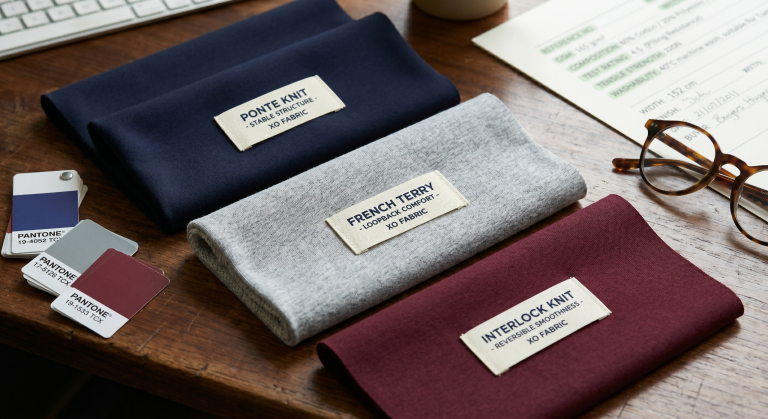
Construction selection impacts sewing behavior. Jersey bases with brushed backs offer flexibility and soft drape. Tricot bases paired with bonded fleece deliver stability and wind resistance. French terry combined with napped surfaces provides casual warmth.
Warp knit bases maintain dimensional stability. They cut cleanly without curling at the edges. Base selection drives the entire thermal build. Knit Base Fabrics determine how the finished textile behaves during cutting and sewing operations.
Validation steps should never be skipped. Request physical samples before committing to bulk orders. Run standard wash tests to check pilling, shrinkage, and warmth retention. Cold chamber data provides baseline metrics. Real-world wear trials expose seam stress points.
Small-batch sampling catches compatibility issues early. Prototypes reveal fit problems that spec sheets never mention. Adjust stitch length to three millimeters for heavier thermals. It prevents seam rupture during stretching.
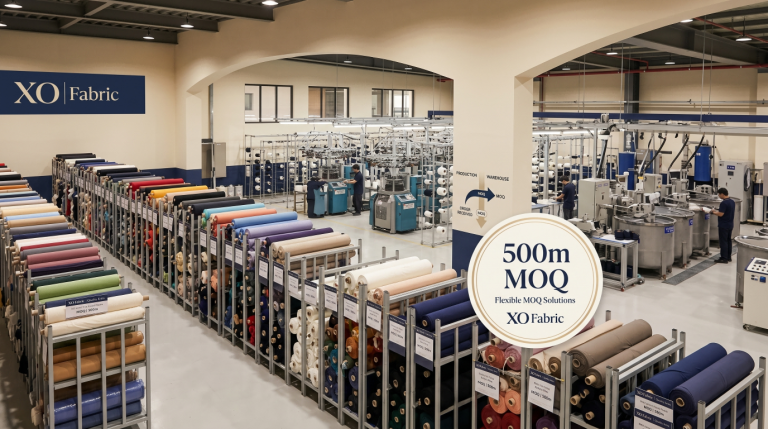
Two decades of knit manufacturing experience shape our thermal approach. Integrated production lines handle knitting, dyeing, finishing, and bonding under one roof. A two thousand square meter warehouse keeps finished goods ready for rapid deployment.
Over fifty technicians monitor thermal consistency across every roll. Brushed fleece on tricot jersey remains a sportswear favorite. Bonded fleece paired with decorative faces pushes fashion-forward warmth. High-loft constructions handle extreme cold environments.
Thermal Fabrics Collection displays the full spectrum of options available for winter apparel development. Our flagship Flocked on Tricot Jersey Base demonstrates how structural stability and soft insulation can coexist in a single textile.
Low minimum order quantities support emerging labels. Five hundred meters covers most thermal fabric needs. Flocked variations drop to three hundred meters. Physical samples ship within three to five days. Lab dip matching ensures color accuracy across dye lots.
Technical consultations streamline construction selection. Small-batch flexibility reduces risk during seasonal launches. I usually tell new brands to start with midweight bonded fleece. It forgives minor pattern mistakes. The structure holds up during first-run sewing.
Once the fit locks in, they can experiment with lighter brushed variants or heavier high-loft builds. Development pacing matters more than chasing the latest thermal gimmicks. Consistent quality beats novelty every time.
Choosing the right thermal fabric determines whether winter apparel performs or disappoints. Heat retention mechanisms, moisture management, and construction weight all intersect during development. Synthetic and natural materials offer distinct advantages.
Testing protocols expose weaknesses before production begins. The mill specializes in high-quality thermal knit textiles for global apparel brands. Lightweight brushed fleece to heavyweight bonded options cover every seasonal requirement.
In-house bonding capabilities ensure consistent performance across dye lots. Ready to start your winter collection? Contact XO Fabric to request samples and discuss your thermal requirements. We look forward to supporting your next cold-weather launch.